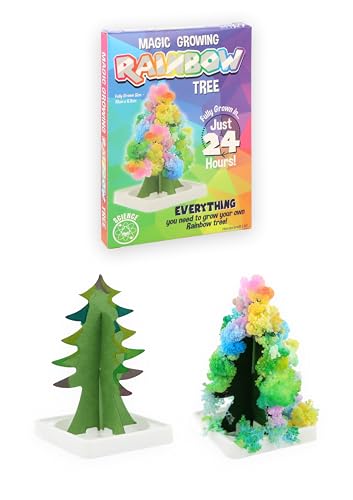
Essential Tips for Making Science Exciting at Home
In 2026, making science exciting at home has become a vital part of education and engagement for children and families. With a wealth of resources and innovative approaches available, parents and educators can transform everyday activities into thrilling science experiments. This guide offers expert tips on how to create a stimulating science environment at home, encouraging curiosity and hands-on learning.
Creating a Science-Friendly Environment
Establishing a science-friendly environment is the first step towards making science exciting at home. In 2026, this involves setting up a designated space that is both safe and inspiring. Consider using a corner of a room or a separate area in your home where children can explore science without limitations.
Utilize storage solutions to organize science materials, making it easy for children to access supplies. Having a mix of everyday household items and specific science kits will allow for various experiments. For example, keep items like baking soda, vinegar, food coloring, and old electronics handy for spontaneous experiments.
Incorporate science-themed decor, such as posters of the solar system or famous scientists, to create an immersive atmosphere. This visual stimulation can spark interest and provide a backdrop for discussions about various scientific concepts.
Engaging with Hands-On Experiments
Hands-on experiments are the cornerstone of exciting science activities at home. In 2026, families can take advantage of new technologies and resources that simplify complex experiments. Choose experiments that align with children's interests, ensuring their engagement and enthusiasm.
People Also Look For:
- Doctor Jupiter Science Experiments Kit for Kids Ages 8+, Girls & Boys Gifts
- GALT Science Lab – Kids Science Kit with 20 Fun, Hands-On Experiments
- 80+ Science Kits for Kids, STEM Experiments & Chemistry Set Ages 6-12
- GALT Rainbow Lab, Kids Science Kit with 12 Fun Experiments, Crystals & More
- GALT Frightful First Experiments – Horrible Science Kit with 18 Experiments
For instance, if your child is fascinated by chemistry, consider conducting simple experiments like making slime or creating a volcano using baking soda and vinegar. These activities not only demonstrate scientific principles but also provide a fun, tactile experience.
Use online platforms that offer guided experiments and video tutorials. In 2026, numerous educational websites and apps provide step-by-step instructions, making it easy for parents and children to follow along. This interactivity can enhance the learning experience and encourage children to ask questions about the science behind the experiments.
Examples of Fun Science Experiments
- DIY Lava Lamp: Combine water, vegetable oil, food coloring, and Alka-Seltzer to create a mesmerizing lava lamp effect.
- Crystal Growing: Use sugar or salt to create beautiful crystals over several days, observing the growth process.
- Homemade Rocket: Build a simple rocket using film canisters and baking soda to demonstrate propulsion.
Incorporating Nature and Outdoor Activities
In 2026, nature provides an excellent backdrop for science exploration. Engaging with the environment encourages children to observe and interact with the world around them. Plan outdoor activities that combine fun and learning, such as nature walks or gardening projects.
During nature walks, encourage children to collect leaves, rocks, or flowers and then research their findings at home. This activity fosters curiosity and reinforces the concept of biodiversity. Additionally, creating a small garden can teach children about plant biology, ecosystems, and responsibility.
For instance, planting seeds and observing their growth on a daily basis can provide insights into the life cycle of plants. Children can record their observations in a science journal, promoting critical thinking and scientific reasoning.
Outdoor Science Challenges
- Conduct a birdwatching activity, identifying different species and their habitats.
- Set up a weather station to monitor temperature, rainfall, and wind speed.
- Create a mini ecosystem in a jar and observe how it changes over time.
Utilizing Technology and Online Resources
In 2026, technology plays a significant role in making science exciting at home. Virtual reality and interactive apps offer immersive experiences that traditional methods may not provide. Utilize these resources to enhance learning and engagement.
Virtual reality platforms allow children to explore the human body, outer space, or even underwater ecosystems. These experiences can ignite a passion for science and foster a deeper understanding of complex topics. Consider integrating these technologies into your science activities for an enhanced learning experience.
Moreover, online science courses and webinars provide opportunities for children to learn from experts in the field. In 2026, many organizations offer free or low-cost resources that can be accessed from the comfort of home, making science education more accessible than ever.
Recommended Online Resources
- Science apps that provide interactive experiments and simulations.
- Websites with free educational videos covering various scientific topics.
- Online forums where children can ask questions and share their findings.
Encouraging Curiosity and Questions
Fostering a culture of curiosity is essential in making science exciting at home. In 2026, parents should encourage children to ask questions and explore answers together. Use everyday situations as teaching moments, discussing scientific concepts as they arise.
When children express curiosity, respond with open-ended questions that promote further exploration. For instance, if a child asks why the sky is blue, guide them through the process of researching and discussing the phenomenon instead of providing a simple answer. This approach not only builds critical thinking skills but also instills a lifelong love for learning.
Engage in discussions about the latest scientific discoveries or advancements, linking them to everyday life. This relevance can inspire children to see the connection between science and the world around them, making it more meaningful and exciting.
Ideas for Sparking Curiosity
- Visit local science museums or planetariums for inspiration.
- Subscribe to science magazines aimed at children for ongoing learning.
- Attend community science fairs or events to meet like-minded peers.