Exploring Space and Beyond for Kids in 2026
As we step into 2026, the universe continues to captivate the imaginations of children across the globe. With advancements in technology and space exploration, there are countless opportunities for kids to dive into the wonders of space. This article will explore innovative ways to engage young minds, encouraging curiosity and fostering a love for astronomy and science.
Interactive Learning Experiences
In 2026, interactive learning experiences are at the forefront of educational methods for children. Virtual reality and augmented reality technologies have revolutionized how kids learn about space. Imagine a classroom where students can don VR headsets and embark on a simulated journey to Mars, experiencing the terrain and atmosphere firsthand.
Many educational institutions have adopted these technologies, allowing students to explore celestial bodies in an immersive environment. Programs like NASA's Space Launch System are designed specifically for students, providing engaging content that makes learning about rockets and space missions fun and interactive.
Space Camps and Workshops
Space camps have gained immense popularity in 2026, offering a hands-on approach to learning. These camps often include activities such as building model rockets, participating in astronaut training simulations, and learning about the physics of space travel. Children not only gain knowledge but also develop teamwork and problem-solving skills in these environments.
Many organizations host workshops where kids can engage in experiments related to space. For instance, a workshop might involve creating a simple rocket and launching it to learn about propulsion. These activities are not only educational but also ignite a passion for science and exploration.
Inspiring Space-Themed Literature
Books remain a powerful tool for inspiring young minds. In 2026, there is a wealth of space-themed literature tailored for children. Authors have begun to write stories that reflect both scientific concepts and imaginative narratives, appealing to a wide range of ages. Picture books featuring astronauts, planets, and galaxies introduce toddlers to the wonders of space, while chapter books delve deeper into the lives of astronauts and the science behind space travel.
People Also Look For:
- 60+ Science Kit for Kids Ages 5-8, STEM Learning Set, Gift
- UNGLINGA 210 Experiments Science Kit for Kids Chemistry Set
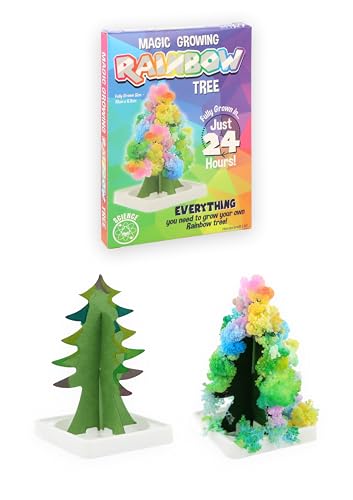
- Henbrandt 1 x Multicolour Magic Growing Crystal Tree Science Experiment Kit - Educational STEM Toy for Kids, Rainbow Colour Crysta...
- Doctor Jupiter Science Experiments Kit for Kids Ages 8+, Gifts for Girls
- Science4you Soap Making Kit for Kids- Make Your Own Scented Soaps, 21 Contents, Moulds & Gift Bags Included - Craft Kit for Kids, ...
Many libraries and schools have incorporated space-themed reading programs to encourage literacy through engaging content. Book clubs focusing on space can also help kids discuss and share their thoughts on what they read, enhancing their understanding while making reading a social activity.
Utilizing Online Resources
The internet is a treasure trove of resources for exploring space. In 2026, numerous websites and apps provide interactive lessons, videos, and games about astronomy. Websites like NASA's Kids Club offer a variety of educational materials that can be used at home or in classrooms.
Parents and educators can leverage these online platforms to supplement learning. For example, a child interested in constellations can use a stargazing app to identify stars and planets in real-time, making learning an exciting outdoor experience. These resources can help children build a strong foundation in science and foster a lifelong interest in space.
Community Events and Stargazing Nights
In 2026, community events focused on astronomy and space exploration are more prevalent than ever. Local observatories and science centers often host stargazing nights where families can come together to observe celestial events. These gatherings provide a unique opportunity for children to learn from experts and engage with other space enthusiasts.
During these events, telescopes are set up to view planets, stars, and even distant galaxies. Educators and astronomers often lead discussions about what participants are observing, enhancing the educational experience. These community activities not only promote science education but also strengthen community ties and inspire collaboration among families.
Space-themed Festivals
Space-themed festivals have become a popular way to celebrate science and exploration in 2026. These festivals often include interactive exhibits, guest speakers from the field of astronomy, and hands-on activities designed for kids. Festivals provide an engaging atmosphere where children can learn about space while having fun.
Imagine a day filled with rocket launches, robotics demonstrations, and interactive science shows. Families can explore various booths that highlight different aspects of space exploration, from the history of space travel to the latest advancements in technology. Such events create a memorable experience that encourages kids to think critically about the universe.
Encouraging STEM Education
As we move forward in 2026, encouraging STEM education is crucial for inspiring the next generation of scientists and engineers. Parents and educators can play a significant role in fostering a passion for science, technology, engineering, and mathematics. Engaging children in STEM activities related to space, such as coding a simulation of a Mars rover, can offer practical experience that builds confidence and skills.
Schools are increasingly integrating STEM programs with a focus on space exploration. By incorporating hands-on projects, students can learn about the engineering design process while creating their own models of spacecraft or planetary rovers. These experiences not only teach valuable skills but also emphasize the importance of creativity and innovation in scientific pursuits.
Partnerships with Space Organizations
Many educational institutions have formed partnerships with space organizations, providing students with unique opportunities to participate in programs such as internships or mentorships. In 2026, these collaborations allow children to engage with real-world projects, working alongside professionals in the field. Such experiences can inspire students to pursue careers in science and technology, knowing they have the support and guidance of experienced mentors.
Programs that allow kids to contribute to research projects or participate in citizen science initiatives can be particularly impactful. For example, a child might help analyze data from a satellite mission or contribute to a project that studies the effects of microgravity on plant growth. These activities not only enhance learning but also empower kids to be part of something larger than themselves, fostering a sense of belonging in the scientific community.