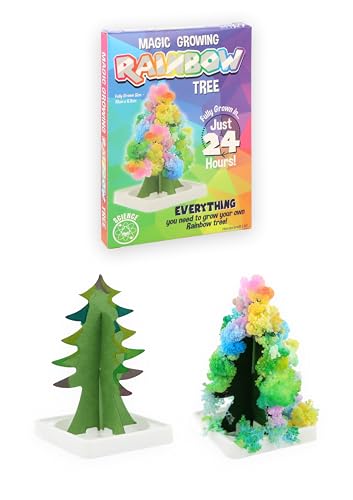
Daring Science Experiments That Inspire Young Minds
In 2026, the landscape of education continues to evolve, emphasizing the importance of hands-on learning experiences that inspire curiosity and creativity in young minds. Science experiments are a powerful tool for engaging students and fostering a love for discovery. These daring science experiments not only captivate the imagination but also encourage critical thinking and problem-solving skills. This article delves into a variety of exciting experiments that educators and parents can implement to spark enthusiasm for science among children.
Exciting Chemistry Projects for Young Scientists
Chemistry is often viewed as a complex subject, but in 2026, it can be made accessible and fun through interactive and daring experiments. One such experiment is the classic volcano eruption, where baking soda and vinegar create a visual spectacle. However, to elevate this experiment, consider introducing different colored dyes to create a rainbow volcano. This simple yet effective project demonstrates chemical reactions while also allowing children to explore concepts like mixtures and reactions.
Another engaging project is the creation of homemade slime. By mixing glue, water, and a borax solution, kids can make gooey slime that can stretch and squish. This experiment not only fascinates children but also teaches them about polymers and viscosity. Young learners can personalize their slime by adding glitter or essential oils, making the project unique and encouraging their creativity.
Safety Considerations in Chemistry Experiments
While conducting chemistry experiments, safety should always be a priority. In 2026, educators and parents are encouraged to provide safety goggles and gloves to protect young scientists. Additionally, conducting experiments in a well-ventilated area ensures that any fumes are safely dispersed. Discussing safety protocols before beginning any experiment instills responsibility and awareness in young minds.
Physics Experiments That Spark Curiosity
Physics concepts can be challenging for young learners, yet they can be made engaging through hands-on experiments. A popular experiment in 2026 involves building a simple catapult using popsicle sticks and rubber bands. This project not only demonstrates principles of force and motion but also allows children to experiment with angles and distances. By adjusting the catapult’s design, students can observe how these changes impact the projectile's flight.
People Also Look For:
- GALT Rainbow Lab, Kids Science Kit with 12 Fun Experiments, Crystals & More
- PATIFEED 150 Experiments Science Kit for Kids Chemistry Set
- The Original Sea Monkeys - Ocean Zoo - Grow Your Own Pets Science Kit- Includes Eggs, Food, and Water Purifier, Color May Vary
- UNGLINGA 300+ Experiments Science Kit for Kids S.T.E.M Toys Chemistry Set
- UNGLINGA 33 Experiments Science Kit for Kids, Science Project
Another thrilling physics experiment is the egg drop challenge. In this activity, children design a protective structure for an egg using materials like straws, cotton balls, and tape. The goal is to prevent the egg from breaking when dropped from a height. This project promotes creativity and engineering thinking, as students must consider the forces acting on their egg during the drop.
Integrating Technology into Physics Learning
In 2026, technology plays a significant role in enhancing physics learning. Using apps and software, students can simulate experiments before conducting them in real life. For example, physics simulation tools allow students to visualize how changes in variables affect outcomes. This approach not only deepens understanding but also prepares them for future careers in science and technology.
Biology Experiments That Connect to Nature
Biology is a fascinating field that can inspire young minds to explore the natural world. In 2026, educators can introduce students to the wonders of plant biology through a seed germination experiment. By observing how different conditions affect seed growth, children learn about the life cycle of plants and the factors necessary for growth. They can experiment with variables such as light, water, and soil type, allowing them to gather data and analyze results.
Another engaging biology project involves creating a mini ecosystem in a jar. By layering soil, small plants, and small insects, children can observe interactions within an ecosystem. This hands-on approach fosters an appreciation for biodiversity and ecological balance while teaching valuable lessons about ecosystems and environmental science.
Field Studies and Outdoor Learning
In 2026, integrating outdoor learning into biology experiments enriches the educational experience. Organizing field trips to local parks or nature reserves allows children to observe wildlife and plants in their natural habitat. Educators can encourage students to document their findings in a field journal, enhancing observational skills and promoting scientific inquiry. This real-world application of biology concepts helps solidify knowledge and fosters a lifelong love of nature.
Engineering Projects That Encourage Creativity
Engineering is a field that thrives on innovation and creativity. In 2026, educators can encourage young minds to engage in engineering challenges that require problem-solving and collaboration. One exciting project involves designing and building bridges using everyday materials like spaghetti or straws. Students can test the strength of their bridges by adding weights, fostering a spirit of competition and teamwork.
Another engineering experiment is the creation of simple machines using pulleys and levers. By constructing their own machines, students learn about mechanical advantage and the principles of physics that apply to engineering. This hands-on experience not only enhances understanding but also prepares them for future endeavors in STEM fields.
Real World Applications of Engineering Concepts
In 2026, the importance of engineering in addressing real-world problems is more pronounced than ever. Young learners can explore how engineers tackle challenges such as renewable energy or environmental sustainability. By discussing current engineering projects and innovations, educators can inspire students to think critically about how they can contribute to solutions in their communities. Engaging students in discussions about the role of engineers in society connects classroom learning to the broader world.
Incorporating Art into Science Education
Integrating art into science education is a trend gaining momentum in 2026. Daring science experiments can be enhanced with artistic expression, encouraging creativity alongside critical thinking. For instance, students can create scientific posters to illustrate their experiments, combining visuals with data. This not only reinforces their understanding but also hones their communication skills.
Another innovative approach involves using art to represent scientific concepts. Students can create sculptures or paintings that depict biological structures or chemical processes, deepening their comprehension through creative expression. This multidisciplinary approach fosters a holistic understanding of science and enhances engagement.
Community Science Projects
Community science projects are an excellent way to engage students in real-world research. In 2026, educators can organize initiatives that involve local communities, such as monitoring air quality or participating in biodiversity surveys. These projects allow students to apply scientific methods while contributing to their communities, fostering a sense of responsibility and civic engagement. By collaborating with local scientists or organizations, students gain insights into the scientific process and its impact on society.