Why Families Love Exploring Science Together in 2026
In 2026, families are increasingly valuing the importance of science as a tool for connection and learning. With advancements in technology and new educational resources, exploring science together has become more accessible and engaging than ever before. Families are discovering that science not only fuels curiosity but also strengthens relationships through shared experiences and hands-on activities.
The Rise of Family Science Activities
As we progress into 2026, family-oriented science activities have gained momentum. Parents are recognizing the benefits of engaging their children in scientific exploration at home and in the community. Local science fairs, workshops, and interactive exhibits have become popular destinations for families looking to bond while stimulating their minds.
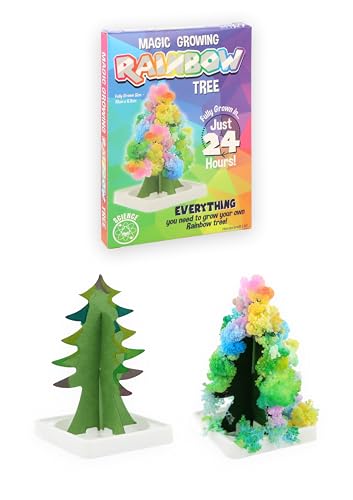
One example of this trend is the increased participation in DIY science kits. Parents are purchasing kits that allow families to conduct experiments together. These kits often include materials and instructions for engaging projects, such as creating a miniature volcano or growing crystals. Families report that these activities are not only educational but also result in memorable moments that strengthen their bonds.
Benefits of Family Science Exploration
Exploring science together provides numerous benefits for families in 2026. Beyond the immediate joy of discovery, scientific exploration enhances critical thinking skills and encourages problem-solving. Parents and children learn to ask questions, formulate hypotheses, and analyze results together.
Furthermore, engaging in science fosters teamwork and communication. Families learn to share ideas, express opinions, and work collaboratively on projects. For instance, during a weekend outing to a science museum, families often find themselves discussing exhibits and exploring concepts together, which reinforces their understanding and appreciation of science.
Encouraging Curiosity and Creativity
Curiosity is a natural trait in children, and science exploration cultivates this urge to learn. In 2026, many families are embracing this curiosity by encouraging their children to ask questions about the world around them. When children participate in science activities, they feel empowered to explore answers and discover new concepts.
People Also Look For:
- Arts and Craft Kits for Kids Age 6 7 8 9 10 11 12, DIY 3D Moon Lamp Painting Kit Gifts for 6-12 Year Old Girls Toys Age 6-12 Birth...
- GALT Space Lab, Kids Science Kit with 12 Fun Experiments, Glow Stars & More
- PATIFEED 150 Experiments Science Kit for Kids Chemistry Set
- GALT Frightful First Experiments – Horrible Science Kit with 18 Experiments
- Science Kidz Electronics Kit - 118 Electric Circuits Set For Kids Age 5-10
Moreover, creativity thrives in scientific exploration. Families are not just following instructions; they are encouraged to think outside the box. For example, a family might decide to modify an experiment by changing variables or using alternative materials. This approach not only makes the experience more enjoyable but also reinforces the idea that science is not just about the right answers but also about the process of exploration.
Utilizing Technology in Science Exploration
In 2026, technology plays a pivotal role in how families explore science together. Educational apps and online resources have made it easier for families to access information and engage in interactive learning experiences. Virtual reality (VR) and augmented reality (AR) technologies allow families to embark on immersive scientific adventures from the comfort of their homes.
For instance, a family can use a VR headset to explore the depths of the ocean or the vastness of space, bringing science to life in an engaging and memorable way. This technological integration not only enhances the learning experience but also appeals to children who are often drawn to digital devices.
Community Science Initiatives
Additionally, community science initiatives have become increasingly popular in 2026. Local organizations and schools are hosting events that encourage families to participate in scientific research and exploration together. These initiatives often involve citizen science projects where families can contribute to real-world scientific studies, such as monitoring local wildlife or collecting data for climate research.
Participating in such projects provides families with a sense of purpose and accomplishment. For example, a family might take part in a local biodiversity survey, working together to identify and document species in their neighborhood. This collaborative effort not only strengthens family ties but also instills a sense of responsibility towards the environment.
Incorporating Science into Daily Life
In 2026, families are finding innovative ways to incorporate science into their daily lives. Rather than reserving science exploration for special occasions, families are embedding scientific inquiry into their routines. Cooking is one area where science naturally occurs, as families experiment with recipes and ingredients, learning about chemical reactions and measurements along the way.
Gardening is another fantastic opportunity for families to explore science. By growing plants together, families learn about ecosystems, plant biology, and environmental stewardship. This hands-on experience not only teaches valuable lessons but also provides families with fresh produce, fostering a sense of accomplishment and healthy eating habits.
Creating Lasting Memories Through Science
The memories created through family science exploration are invaluable. Families often look back on their experiences with fondness, recalling the laughter and excitement shared during experiments or trips to science centers. These shared experiences cultivate a lifelong love for learning and exploration.
As this trend continues to grow, it is clear that families are embracing science in a way that transcends traditional education. The act of exploring science together in 2026 is not just about learning facts but about building relationships, fostering creativity, and developing critical life skills.
Preparing for Future Scientific Challenges
Looking ahead, families who engage in scientific exploration are better equipped to tackle future challenges. By nurturing a scientific mindset, children grow up to be informed citizens who can navigate complex issues such as climate change, health crises, and technological advancements.
As families continue to explore science together, they are not just learning about the world; they are preparing to actively participate in shaping it. This collective effort to embrace science fosters a community of inquisitive minds ready to address the challenges of tomorrow.